Portfolio
Pepper
Sweet Pepper
BASF | Nunhems creates sweet pepper varieties built to perform through every season. The goal: steady quality, healthy plants and peppers that customers love — from spring plantings to winter harvests.
Sweet pepper seeds for every market
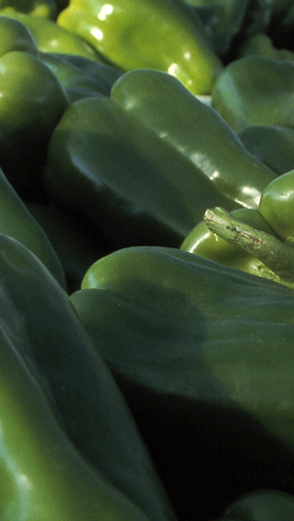
We breed sweet pepper seeds that combine eye-catching color, consistent size and great texture — the kind of fruit that sells and keeps well. Plants are chosen for balanced vigor and open growth, so yields stay steady and harvesting is easier. Short internodes and dependable fruit set help deliver uniform, market-ready peppers with minimal losses.
Bred for yield, resilience and efficiency
Resilience matters: these varieties are designed with strong resistance profiles to handle common viral and soil challenges, lowering the need for extra interventions. Many types suit integrated and organic systems, providing excellent results with fewer inputs. Cold-season varieties keep producing and maintain fruit quality in chillier conditions, while warm-season types hold color and set fruit even in heat.
Practical in the field and appealing on the shelf, BASF | Nunhems sweet peppers help growers deliver reliable harvests and delightful produce year-round — a win for farmers and consumers alike.
Legend:
Disease Resistance Key:
TM 0: Tobamovirus Group 0
TSWV: Tomato spotted wilt virus
PMMoV: Pepper Tobamovirus
PVY (0,1): Potato Y virus
*Resistance information and/or ratings based on seed testing using the Naktuinbouw/UPOV protocol per disease.
Tech Sheets & More Information

